
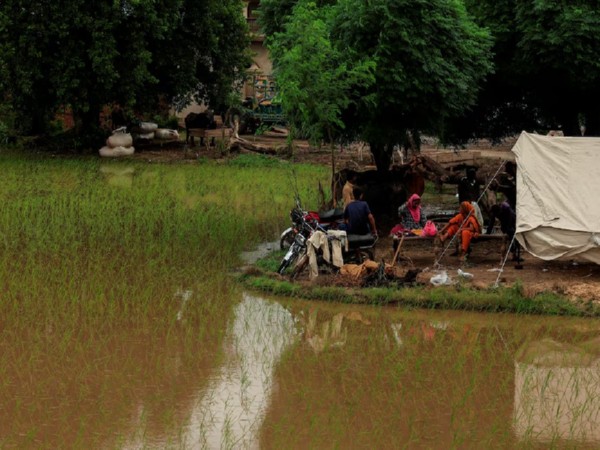
In July and August 2025, Pakistan faced devastating floods driven by intense monsoon rains, submerging villages and displacing thousands across Punjab, Khyber Pakhtunkhwa, Sindh, and Gilgit-Baltistan. As communities struggle to recover, the United Kingdom and United Nations have stepped up with critical aid to support relief efforts.
Relentless rains and overflowing rivers like the Sutlej and Ravi have destroyed homes, crops, and infrastructure. The National Disaster Management Authority reports 881 deaths and over 7,465 homes damaged, with Punjab and Khyber Pakhtunkhwa hit hardest. Moreover, contaminated water has sparked fears of disease outbreaks, worsening the crisis for millions.
On August 22, 2025, the United Kingdom pledged £1.33 million (approximately Rs. 600 million) to aid over 223,000 people across seven flood-hit districts. The funds support food rations, mobile medical camps, clean water systems, and agricultural recovery. Additionally, the UK has trained 2,400 volunteers for search and rescue, with 25 from Charsadda assisting in Buner’s relief operations.
British High Commissioner Jane Marriott emphasized, “We’re committed to helping Pakistan’s communities rebuild stronger.” The UK’s Subnational Governance program also bolsters Sindh’s disaster preparedness with a new data-driven dashboard. On September 4, 2025, the UK announced an additional £1.2 million for Sindh, focusing on food, healthcare, and livestock protection to further strengthen relief efforts.
The United Nations complemented these efforts by allocating $600,000 from its Regional Humanitarian Pooled Fund. This aid, announced in late August, targets immediate relief, including shelter and food for displaced families. UN OCHA coordinators in Swat and Buner are streamlining aid delivery, ensuring efficient support to the hardest-hit areas.
Leave a Reply