
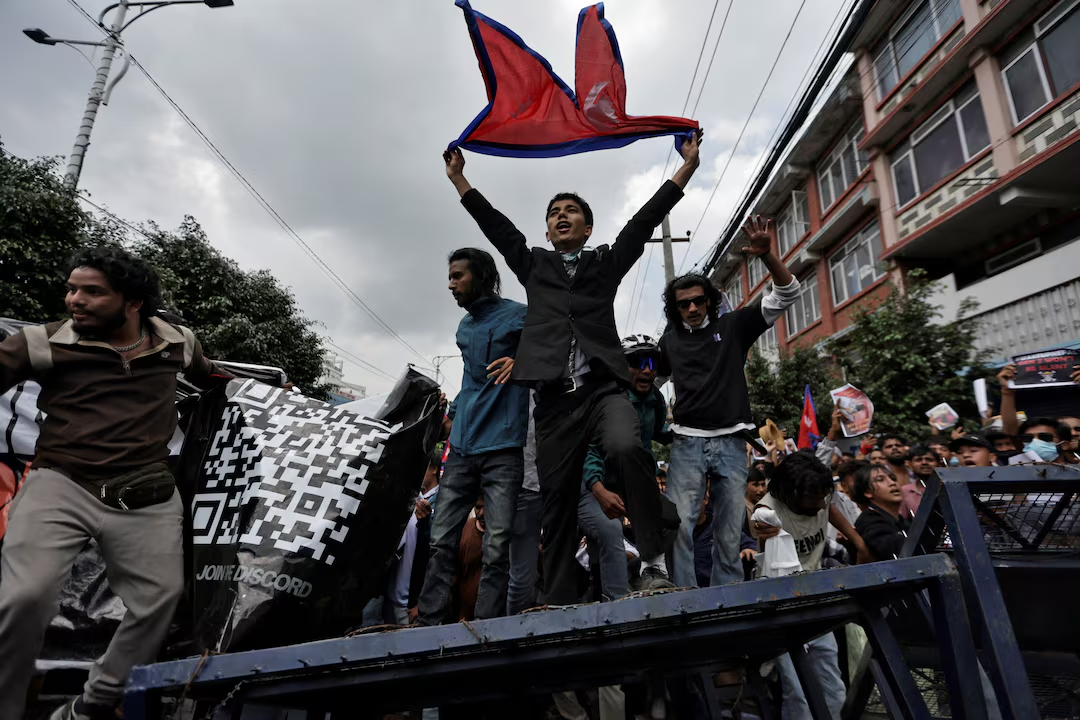
Kathmandu, Nepal, was engulfed in chaos on September 8, 2025, as violent clashes during a “Gen Z” protest against a government-imposed social media ban claimed 19 lives and injured over 300. Thousands of young Nepalis, enraged by the ban on platforms like Facebook, Instagram, and YouTube, stormed the streets, demanding an end to corruption and the restoration of digital freedoms. The unrest, marked by police firing and curfews, has sparked a national crisis, prompting the resignation of Nepal’s Home Minister and calls for urgent reform.
Protests Over Social Media Ban
The protests began at 9:00 AM in Kathmandu’s Maitighar area, near the Maitighar Mandala monument. Young demonstrators, many in school uniforms, waved national flags and chanted slogans like “Shut down corruption, not social media.” The government banned 26 social media platforms last week after companies failed to register with the Ministry of Communication and Information Technology, as mandated by a Supreme Court order from September 2024. Platforms like TikTok and Viber, which complied, remained operational, but the block on Facebook, YouTube, and X triggered widespread outrage.
As protesters marched toward Parliament in New Baneshwor, tensions escalated. Some broke through barbed wire barricades, entered the parliamentary grounds, and set an ambulance ablaze. Police responded with tear gas, batons, and rubber bullets, but reports indicate live ammunition was also used, leading to 19 deaths, including 17 in Kathmandu hospitals alone. The National Trauma Centre reported eight deaths, while Everest and Civil Hospitals each confirmed three. Additionally, two fatalities occurred in Itahari, Sunsari, as protests spread to Pokhara, Biratnagar, and other cities.
Government’s Stance
Prime Minister KP Sharma Oli defended the ban, claiming it protects “national dignity” and targets unregistered platforms fueling fraud and hate speech. In a September 8 speech, he dismissed the protests as misguided, arguing that foreign companies ignored Nepal’s laws for over a year. However, critics see the ban as censorship, citing past restrictions on Telegram and TikTok. Moreover, the “Nepo Kid” movement, exposing politicians’ children’s lavish lifestyles, has amplified youth anger, drawing parallels to uprisings in Bangladesh and Sri Lanka.
The protests, driven by Gen Z, reflect deep frustration with corruption and governance. As a result, Home Minister Ramesh Lekhak resigned on September 8, accepting responsibility for the deaths. Meanwhile, digital rights activists condemned the ban’s impact on education and businesses, urging its immediate reversal.
Authorities imposed curfews in Kathmandu, Pokhara, and other districts from 3:30 PM to 10:00 PM, deploying the army to protect government sites. Eyewitnesses reported police firing indiscriminately, with bullet wounds to the head and chest among casualties. A Gen Z social media group urged protesters to “exit safely,” warning of infiltrators inciting chaos. Furthermore, the Computer Association of Nepal criticized the ban’s economic toll, joining calls for change.
Leave a Reply