
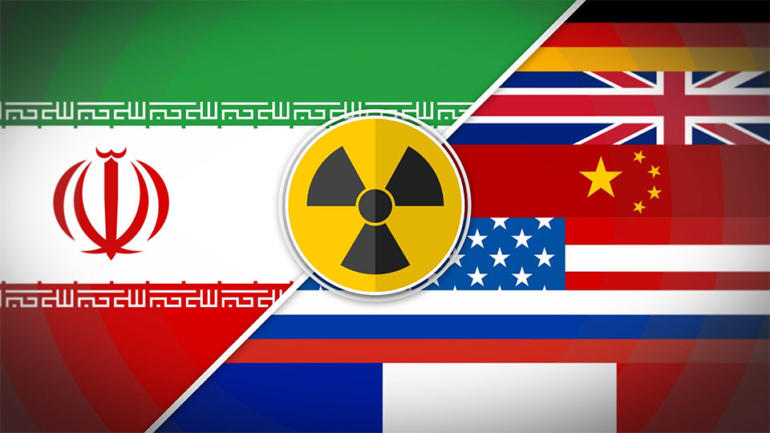
On September 7, 2025, Iran’s Foreign Minister Seyyed Abbas Araghchi announced Tehran’s willingness to accept stricter nuclear monitoring and limit uranium enrichment if international sanctions are lifted. This offer aims to break the deadlock in nuclear talks with Western powers. However, Araghchi warned that failure to seize this opportunity could lead to “unprecedentedly destructive” consequences for the region and beyond.
Araghchi’s statement comes as France, Germany, and the United Kingdom (the E3) threaten to reimpose UN sanctions via the “snapback” mechanism by late September. The E3 triggered this process on August 28, 2025, giving Iran 30 days to negotiate a deal or face restored sanctions. In response, Iran proposes scaling back its uranium enrichment—currently at near weapons-grade levels—and allowing International Atomic Energy Agency (IAEA) inspectors to monitor its nuclear sites. In return, Tehran demands the removal of crippling economic sanctions imposed by the US and its allies.
Iran’s economy has suffered under sanctions since the US withdrew from the 2015 Joint Comprehensive Plan of Action (JCPOA) in 2018. The JCPOA capped Iran’s uranium enrichment at 3.67% and its stockpile at 300 kg, with extensive IAEA oversight. However, after the US exit, Iran ramped up enrichment, reaching 60% purity by 2025, alarming Western nations. Consequently, Araghchi’s offer signals a potential return to diplomacy, but only if sanctions are lifted promptly.
Challenges and Conflicting Signals
Despite the proposal, hurdles remain. Araghchi emphasized that Iran will not dismantle its nuclear infrastructure or halt enrichment entirely, rejecting US demands for a complete shutdown. Moreover, Iran’s parliament is debating a bill to exit the Nuclear Non-Proliferation Treaty (NPT) if UN sanctions return, which would block IAEA access entirely. This move could escalate tensions, especially after US and Israeli strikes on Iran’s nuclear sites in June 2025. A UN report noted Iran’s enriched uranium stockpile grew before these attacks, raising fears of weaponization, though Tehran denies such intentions.
Meanwhile, recent talks show progress. Araghchi met EU foreign policy chief Kaja Kallas in Doha on September 4, discussing IAEA access to damaged nuclear facilities. Additionally, a three-stage plan proposed in April 2025 during US-Iran talks in Oman offered a temporary enrichment cap at 3.67%, access to frozen funds, and oil export permissions in exchange for sanctions relief. However, the US insists on ending Iran’s nuclear program entirely, a demand Tehran calls a “non-starter.”
Leave a Reply