
Despite decades of government support and billions of rupees in incentives, Pakistan’s automobile industry has struggled to establish a meaningful presence in international markets, while the country’s aerospace sector has emerged as a globally recognized success story. An analysis highlights the stark contrast between the performance of the two industries and calls for a major shift in industrial policy.
According to the report, Pakistan’s auto sector has benefited from subsidies exceeding Rs250 billion, yet exports remain negligible. The industry has largely focused on assembling vehicles for the domestic market under protectionist policies, with limited innovation and weak integration into global supply chains. Although export targets were introduced under the 2021–26 Auto Policy, many manufacturers reportedly failed to meet them.
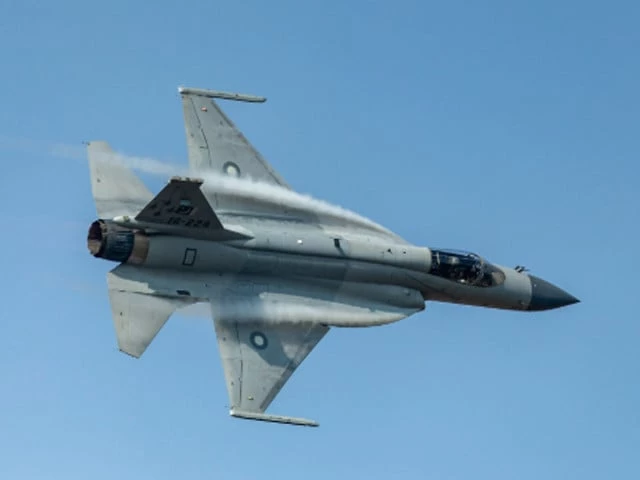
In contrast, Pakistan’s aerospace industry has gained international recognition through the JF-17 Thunder fighter aircraft, developed in collaboration with China. Around 60% of the aircraft’s components are produced locally, making it a competitive and cost-effective product that has attracted export orders and international attention at major air shows.
The article argues that Pakistan should adopt an export-oriented strategy for the automotive sector by encouraging innovation, embracing new technologies, and integrating with global manufacturing networks. It also urges policymakers to maintain tariff reforms and avoid extending further protectionist measures that could hinder long-term competitiveness.
Leave a Reply