
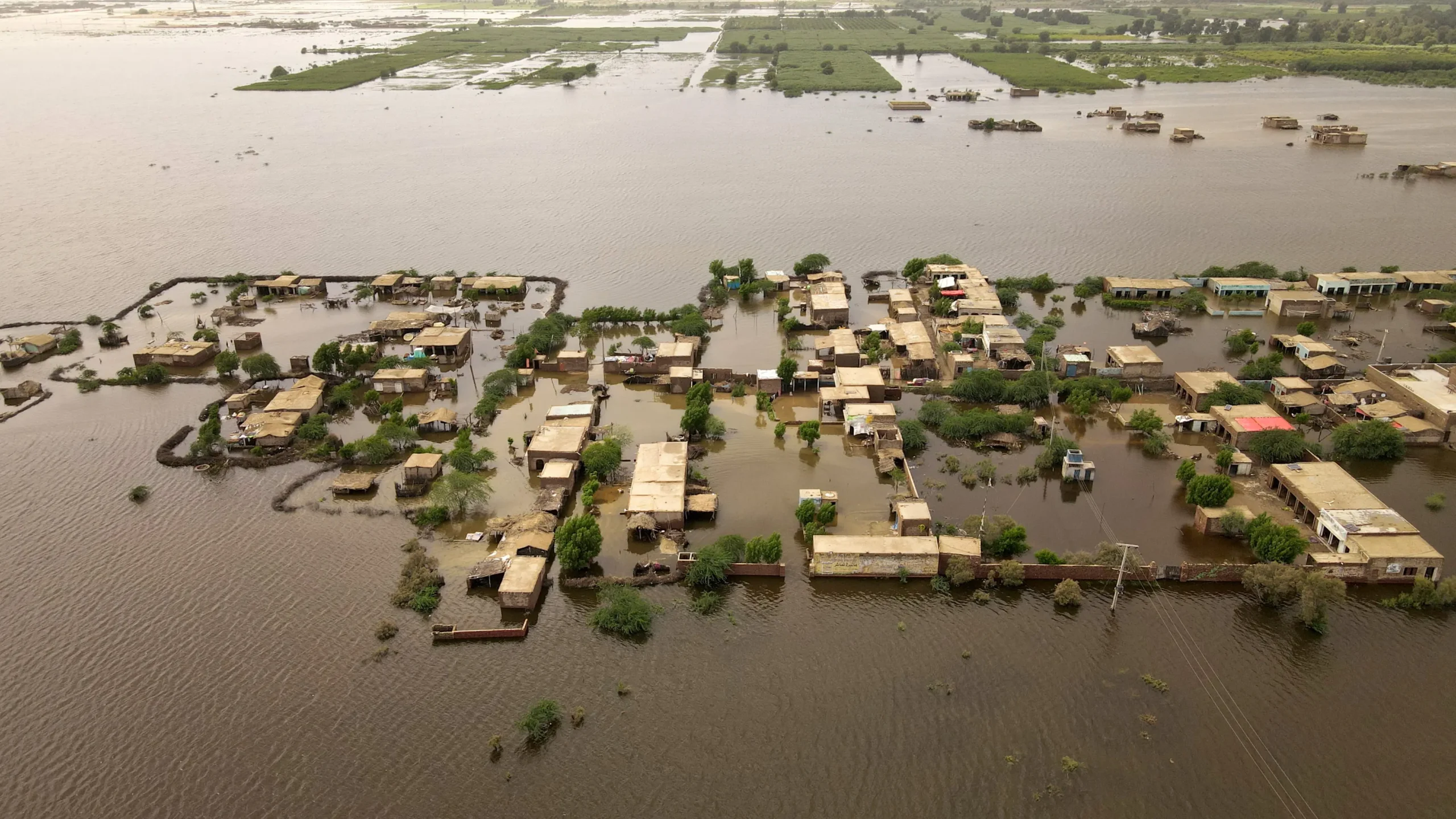
Pakistan is grappling with catastrophic floods triggered by relentless monsoon rains since June 26, 2025, claiming 802 lives and injuring 1,088 people, according to the National Disaster Management Authority (NDMA). The deluge has ravaged multiple provinces, with Khyber Pakhtunkhwa reporting the highest toll at 479 deaths, followed by Punjab with 165. The floods have destroyed 7,465 homes, killed 5,584 livestock, and displaced thousands, leaving communities in despair.
In Punjab, the Ravi and Sutlej rivers have overflowed, flooding sacred sites like Gurdwara Darbar Sahib in Kartarpur and submerging villages in Narowal and Kasur. Over 190,000 people have been evacuated from flood-prone areas, with the NDMA issuing alerts for urban flooding in Lahore, Sialkot, and Gujranwala. The collapse of protective embankments, worsened by water releases from Indian dams, has intensified the crisis, damaging infrastructure and farmland.
Khyber Pakhtunkhwa faces dire conditions, with Buner alone reporting over 200 deaths from flash floods and landslides. Swat Valley and other districts have seen entire villages swept away, with rescue efforts hampered by damaged roads and bridges. The Pakistan Army and helicopters are aiding evacuations, but ongoing heavy rains, expected until September 10, threaten further devastation.
With $600,000 in UN emergency funds and $6 million from China, Pakistan is mobilizing relief efforts. However, the NDMA warns of rising risks as monsoon currents intensify, urging residents to steer clear of rivers. As climate change amplifies these disasters, despite Pakistan’s minimal 1% contribution to global emissions, the nation urgently needs resilient infrastructure to prevent future tragedies.
Leave a Reply