
Pakistan’s import profile witnessed a significant shift during FY2025-26, with surging imports of coal, soybean seeds, and industrial raw materials driving overall cargo growth despite a sharp decline in liquefied natural gas (LNG) and other liquid cargo imports. According to annual statistics released by the Port Qasim Authority (PQA), total imports handled at the port rose to 38.09 million tonnes, up from 35.59 million tonnes in the previous fiscal year.
The increase was primarily driven by dry bulk cargo, which expanded by 5.33 million tonnes to 15.52 million tonnes. Coal emerged as the biggest contributor, with imports jumping by 3.93 million tonnes to 10.95 million tonnes. Soybean seed imports also recorded strong growth, climbing to 2.44 million tonnes as demand increased from the edible oil processing and livestock feed industries. Steel coil, steel billets, coke, and project cargo also posted notable gains, reflecting stronger industrial activity and investment.
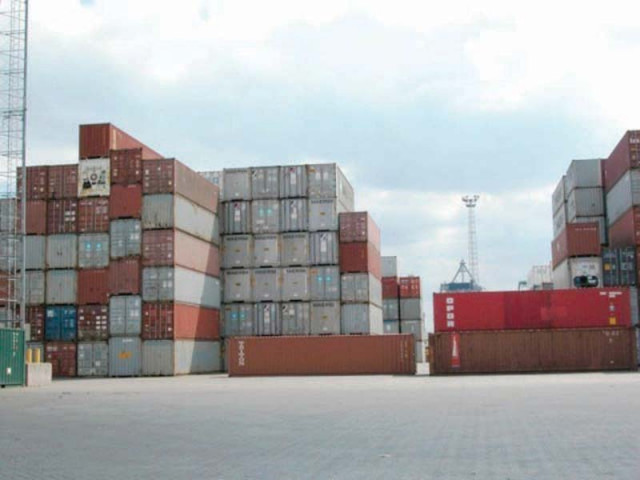
In contrast, liquid cargo imports declined by 2.68 million tonnes, largely due to reduced LNG and gas oil shipments. Containerised cargo also experienced a slight drop, indicating that the overall rise in imports was driven mainly by bulk commodities rather than consumer goods.
The changing import pattern highlights Pakistan’s growing demand for industrial inputs and manufacturing materials, while reduced energy imports point to evolving consumption trends. Analysts say the figures reflect a shift in the country’s trade dynamics, with bulk commodities playing an increasingly important role in supporting economic activity.
Leave a Reply