
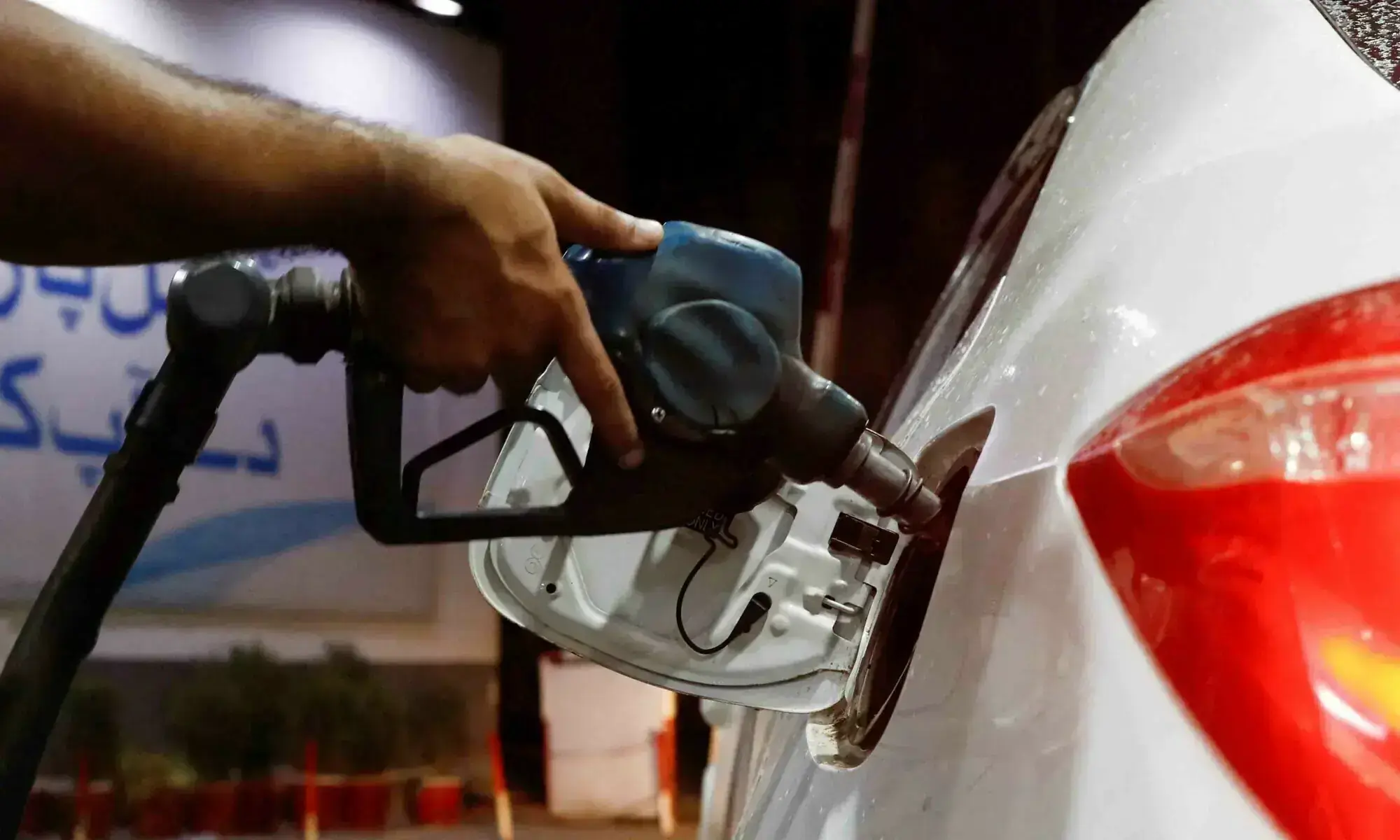
The government may be forced to unfreeze petroleum prices as global oil rates continue to surge, driven largely by escalating tensions in the Middle East. Officials indicate that while authorities had initially tried to shield consumers from rising costs, sustaining the price freeze is becoming increasingly difficult.
Prime Minister Shehbaz Sharif had earlier rejected proposals for further increases in petrol and diesel prices to ease the burden on the public. However, with international oil prices rising sharply—in some cases crossing $150 per barrel—the fiscal pressure on Pakistan has intensified.
The government has been relying on emergency funds and adjusting petroleum levies to absorb the impact temporarily. Still, experts warn that prolonged suppression of prices could strain public finances and disrupt supply chains.
Officials are now considering a targeted relief mechanism to protect lower-income groups if price adjustments become unavoidable. Meanwhile, austerity measures, including reduced fuel usage and administrative cuts, have already been introduced to manage the crisis.
The situation highlights Pakistan’s vulnerability to global energy shocks, as the country depends heavily on imported fuel, particularly from the Middle East, making domestic prices sensitive to international market fluctuations.
Leave a Reply