
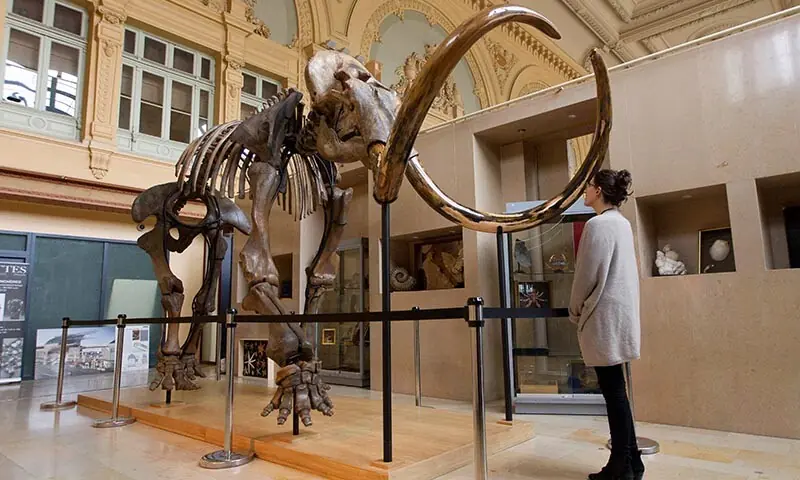
Researchers have made a groundbreaking discovery by recovering and sequencing RNA from a woolly mammoth that died roughly 39,000 years ago and was preserved in Siberian permafrost.
The juvenile mammoth, named Yuka, provided tissue from its front leg, which scientists used to extract ancient RNA—making this the oldest such RNA ever sequenced.
Unlike DNA or proteins, RNA reflects gene activity just before death, offering a rare window into the mammoth’s cellular functions and stress response.
The team found fragments involved in metabolic regulation and muscle contraction, suggesting Yuka may have experienced trauma; the specimen also turned out to be male.
This discovery challenges the belief that RNA degrades quickly after death. Under ideal conditions—like Siberia’s perpetual freeze—RNA can survive for millennia, opening new frontiers in paleogenetics.
Leave a Reply