
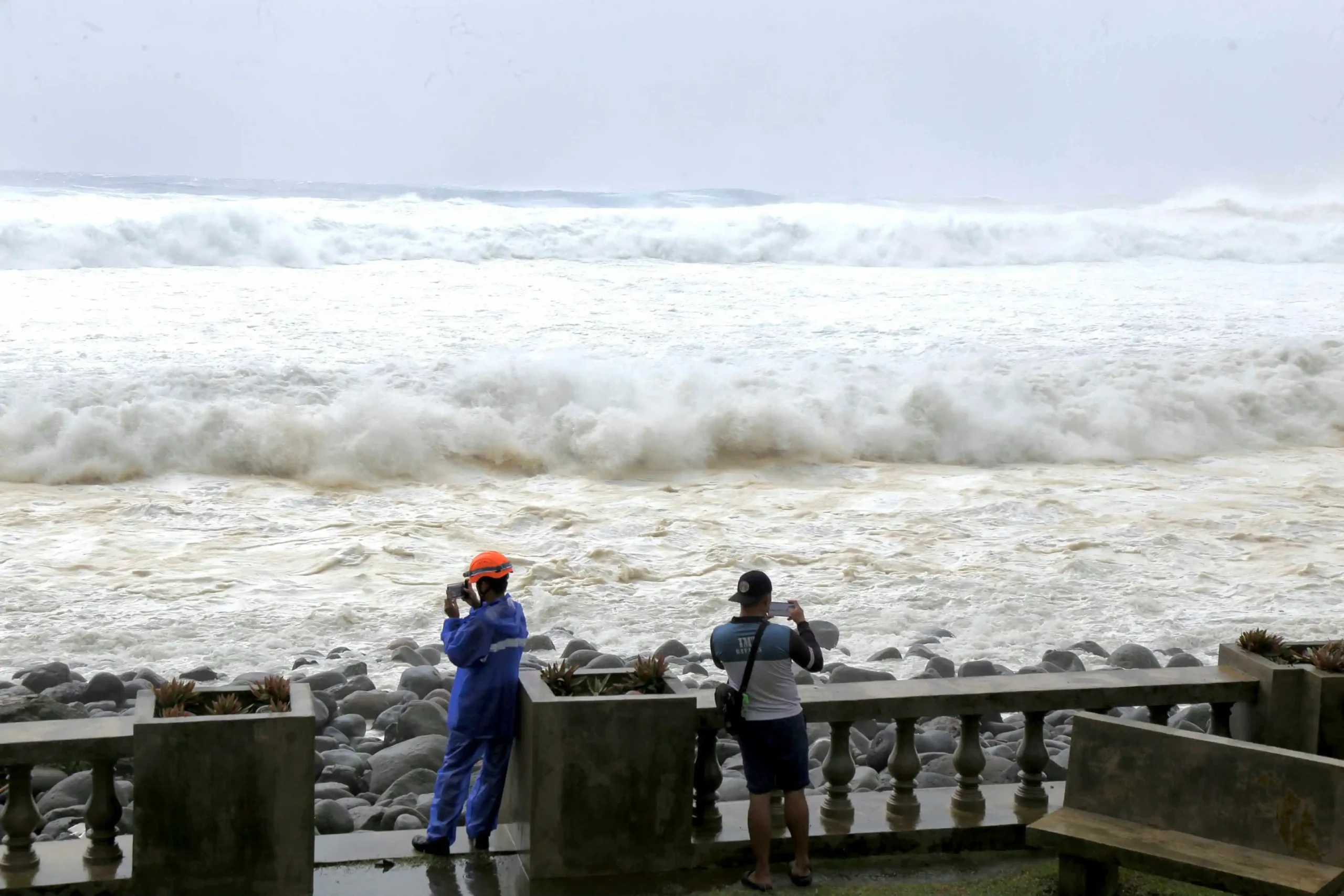
Beijing, China – Southern China reels from Super Typhoon Ragasa’s fury today after the storm slams into Guangdong province, claiming 15 lives in Taiwan and flooding Hong Kong. Moreover, nearly two million evacuations shield coastal communities, yet winds topping 220 km/h (137 mph) trigger widespread chaos. Consequently, authorities battle storm surges up to 2.8 meters (9 feet), marking this Category 4 behemoth as the year’s strongest cyclone worldwide.
Ragasa Ravages Philippines, Taiwan and Hong Kong
Yesterday, Ragasa battered Taiwan’s eastern shores on Tuesday, bursting a lake barrier in Hualien county and unleashing deadly floods. As a result, rescuers pull survivors from the deluge where 15 people die and dozens more face injuries. Furthermore, ferry routes grind to a halt across the island, while over 100 flights divert amid relentless rain. Additionally, outer bands swell rivers and isolate villages, compounding the storm’s toll that already includes three deaths in the Philippines from Monday’s lashings.
Then, Ragasa hurtled toward Hong Kong early this morning, Wednesday, hoisting the rare No. 10 typhoon signal for the ninth time this hyperactive season. Therefore, the financial hub shut down completely—schools closed, businesses shuttered, and transport networks stalled. In fact, coastal zones submerge under rapid floods, uprooting trees and stranding motorists. However, proactive measures like sandbagging and boat mooring curb severe casualties to reports of minor wounds so far.
Southern China
Now, as Ragasa makes landfall between Zhuhai and Zhanjiang in Guangdong from midday today, Shenzhen alone relocates 400,000 flood-risk residents. China’s emergency teams deploy nationwide to counter predicted landslides and power outages. Moreover, the National Meteorological Center labels it the “King of Storms,” echoing 2018’s super typhoons with potential for “catastrophic” ruin.
Consequently, factories halt production, airports ground planes, and families in Guangzhou and Shenzhen hoard essentials. Scientists attribute the cyclone’s explosive growth—powered by record-hot South China Sea temperatures—to climate change, which supercharges such tempests across Asia.
Leave a Reply